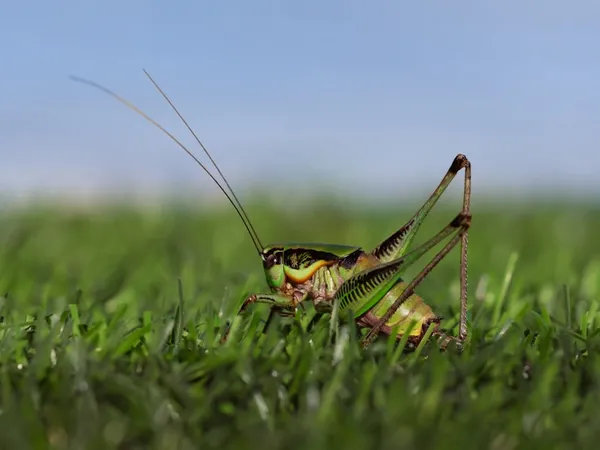
What Are Crickets?
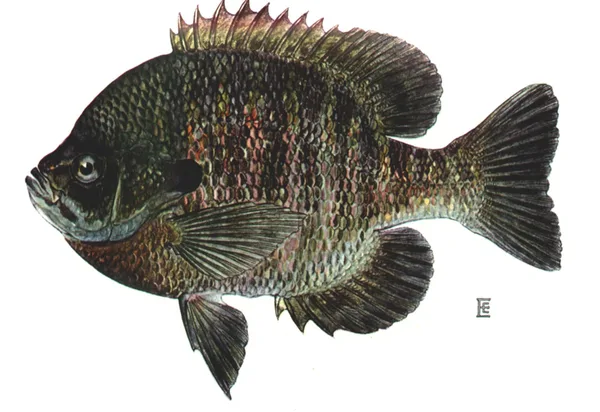
Crickets have been catching panfish since long before tackle shops existed. These common insects are cheap, widely available, and produce explosive action when dunked in front of bluegill, sunfish, and rock bass. A live cricket on the surface creates a natural kicking and struggling motion that mimics an insect that’s fallen into the water — exactly the kind of easy meal panfish are wired to attack. Most bait shops sell field crickets in bulk, and a few dollars’ worth will last a full day of fishing.
How to Hook and Rig Crickets
The most effective method is to thread a light-wire hook (size 8-10 Aberdeen) through the cricket’s body, entering just behind the head and exiting through the abdomen. This keeps the cricket alive and kicking for several casts. Some anglers prefer to hook through the back collar — the hard plate just behind the head — which preserves the most leg action but can result in the cricket tearing free on the cast.
Fish a cricket under a small bobber set 1-3 feet deep over bluegill beds, brush piles, or weed edges. The bobber serves double duty: it keeps the cricket at the right depth and acts as a strike indicator for the subtle takes that panfish are known for.
For a more active approach, fish a cricket on a tiny split-shot rig with no bobber, casting toward visible cover like docks, fallen trees, and lily pad edges. Let the cricket sink slowly on a slack line — bluegill often hit on the initial drop before the cricket reaches the bottom.
A cricket threaded onto a micro jig gives you the best of both worlds: the casting distance and depth control of a jig with the scent and movement of live bait.
When to Use Crickets
Crickets produce best from late spring through early fall when insects are naturally present around the water. During summer, bluegill and sunfish feed heavily on insects that fall from overhanging trees and vegetation, making crickets a near-perfect match for what they’re already eating.
They’re at their most effective on calm mornings and evenings when panfish are cruising the shallows and surface-feeding activity is visible. On windy days, the surface disturbance can mask a cricket’s presence, and you may do better with a subsurface bait.
Tips for Effectiveness
Fish near natural cover where insects would naturally enter the water — overhanging branches, grassy banks, docks, and bridge pilings. When you see bluegill dimpling the surface, cast a cricket to the edge of the activity and let it sit. Downsizing your line to 4-pound test monofilament makes a noticeable difference with crickets because the lighter line lets the cricket behave more naturally. Replace your cricket after every couple of fish — a fresh, active cricket outproduces a limp, lifeless one every time.