Lipless crankbaits are among the most effective and easiest-to-fish hard baits available to freshwater anglers. Their flat-sided, sinking design produces a tight wobbling vibration and loud internal rattle that calls fish in from a distance. No other lure covers shallow to mid-depth water as efficiently, making lipless crankbaits one of the best search tools for locating active fish quickly.
Types and Sizes
The classic lipless crankbait is a flat-sided, slab-shaped lure with no diving lip. Instead of a lip controlling depth, the lure sinks freely and its running depth is determined entirely by your retrieve speed and rod angle. Most models weigh between 1/4 oz and 3/4 oz, with the 1/2 oz size being the industry standard.
Internal rattle chambers are a defining feature. Standard lipless crankbaits produce a loud, aggressive rattle that works well in stained water and windy conditions. Some manufacturers offer silent or one-knocker versions with a single large internal weight that produces a more subtle, thumping sound. These quieter versions often outperform standard rattling models in clear water or under heavy fishing pressure.
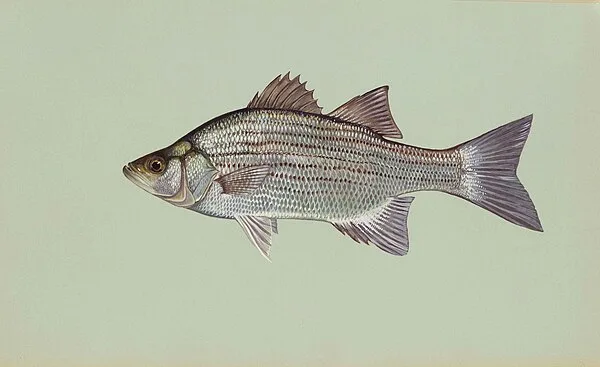
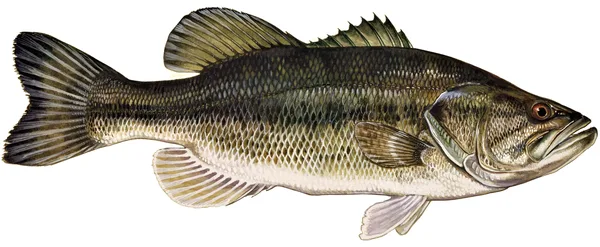
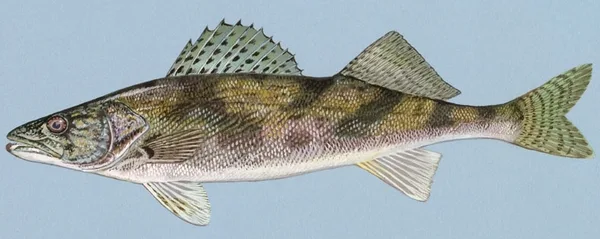
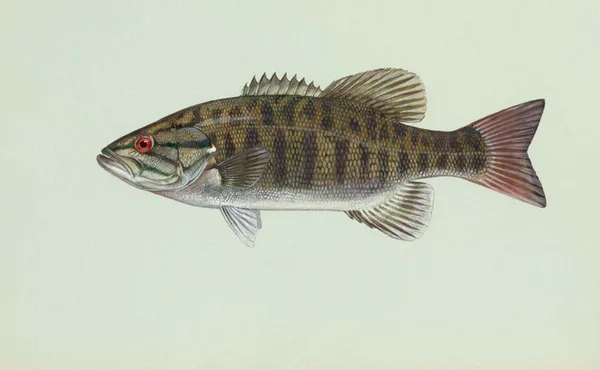
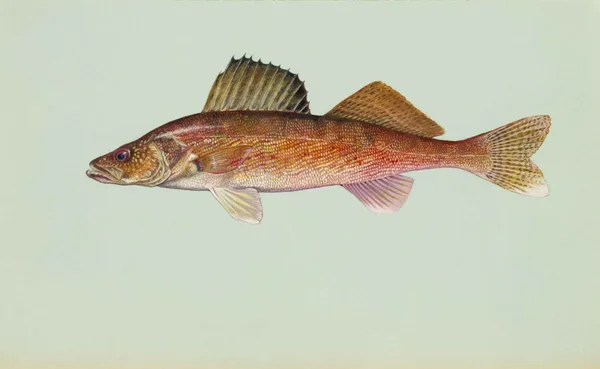
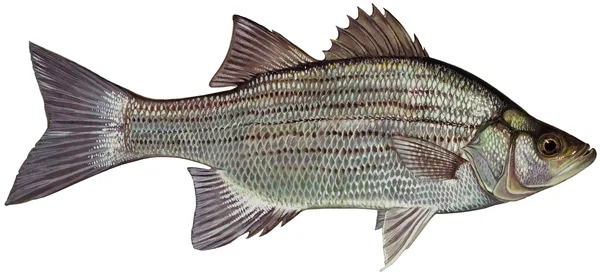
Size selection should match available forage. A 1/4 oz model in shad or minnow patterns is ideal for targeting white bass, saugeye, and smaller largemouth. The standard 1/2 oz covers most bass fishing situations. For targeting hybrid stripers or fishing in heavy wind and current, a 3/4 oz version maintains bottom contact and casts farther.
Retrieve Techniques
The steady retrieve is the simplest and often the most effective approach. Cast the bait out, let it sink to the desired depth, and reel at a medium pace. The lure vibrates and rattles on its own with no additional rod action needed. Adjust your retrieve speed and the countdown before you start reeling to fish different depth zones.
The yo-yo retrieve is the technique that made lipless crankbaits famous among tournament bass anglers. Cast over submerged grass or shallow cover, reel the bait down until you feel it contact the vegetation, then rip the rod sharply upward to tear the bait free. Let it fall on a semi-slack line and repeat. The violent ripping action triggers explosive reaction strikes, and the brief free-fall after the rip is when most fish hit.
A slow roll along the bottom is deadly for walleye and saugeye. Cast and let the bait sink completely, then retrieve slowly enough that it bumps and crawls along the bottom structure. The vibration and rattle at slow speed still produce enough noise to attract fish in low-visibility conditions.
When to Throw It
Spring and fall are prime lipless crankbait seasons. In early spring, bass move up from deep water toward spawning flats, staging along grass lines and hard-bottom transitions. A lipless crankbait ripped through the tops of last year’s remaining vegetation is one of the most reliable pre-spawn patterns in bass fishing.
Fall is equally productive as cooling water temperatures push shad and other baitfish into the shallows, with predator fish following close behind. A lipless crankbait matched to the size and color of the local shad population is an automatic choice for covering flats, points, and creek channel intersections quickly.
Pro Tips
Use fluorocarbon line in the 12-15 lb range for most lipless crankbait fishing. It sinks faster than monofilament, helping the bait reach deeper zones, and its low stretch gives you better hooksets at distance. Swap out the stock treble hooks for premium short-shank versions to reduce the frequency of hooks tangling with each other during the cast and retrieve. When fish are short-striking, add a small feathered treble to the rear hook position to give them a target.